Delhi University, officially known as the University of Delhi (DU), is one of India’s most prestigious and sought-after universities. Established in 1922, it has grown into a world-class institution known for academic excellence, vibrant campus life, diverse student community, and remarkable alumni achievements. Located in the heart of India’s capital city, New Delhi, the university attracts students from across the country and around the globe.
Over the decades, Delhi University has built a reputation not only for its academic strength but also for shaping leaders, thinkers, administrators, entrepreneurs, artists, and change-makers. From its historic colleges to its modern research centers, DU represents a perfect blend of tradition and innovation.
Historical Background
Delhi University was established under the Central Legislative Assembly Act in 1922. It began with just three colleges: St. Stephen’s College, Hindu College, and Ramjas College. Initially, it had around 750 students and a handful of faculty members. Over time, the university expanded rapidly, both in infrastructure and academic programs.
Post-independence, DU played a significant role in shaping India’s intellectual and administrative framework. Many civil servants, politicians, writers, economists, and scientists have emerged from this institution. Today, the university comprises over 90 colleges, 16 faculties, and numerous departments and research institutes.
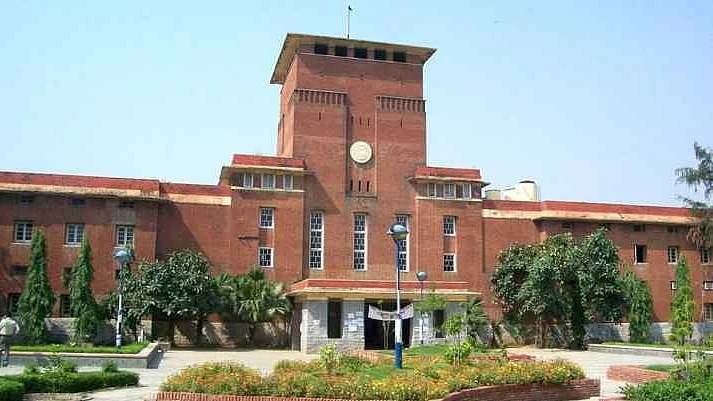
Campus Structure
Delhi University is divided into two main campuses:
1. North Campus
North Campus is the historic and more prominent part of the university. It houses some of the most reputed colleges such as Hindu College, Miranda House, St. Stephen’s College, Ramjas College, Kirori Mal College, and Hansraj College. The Faculty of Arts, Faculty of Science, and Faculty of Law are also located here.
The area is known for its lush green surroundings, vibrant student culture, cafés, bookstores, and student hostels. The campus environment is intellectually stimulating and socially dynamic.
2. South Campus
South Campus was established to accommodate the growing number of students and departments. It is home to postgraduate departments, research centers, and specialized institutes. The infrastructure here is more modern, with advanced laboratories and academic blocks.
Both campuses are well connected by Delhi Metro and public transport, making commuting convenient for students.
Academic Programs
Delhi University offers a wide range of undergraduate, postgraduate, and doctoral programs across multiple disciplines. These include:
- Arts and Humanities
- Commerce and Business Studies
- Science and Technology
- Social Sciences
- Law
- Education
- Management Studies
- Applied Sciences
The university follows the Choice Based Credit System (CBCS) and has adopted the National Education Policy (NEP) guidelines, allowing flexibility in subject combinations and multidisciplinary learning.
Undergraduate courses such as B.A., B.Com., B.Sc., BBA, and BMS are highly popular. Postgraduate programs in Economics, Political Science, English, Physics, Chemistry, and Commerce are among the most competitive in India.
Admission Process
In recent years, the admission process has become centralized and more transparent. Admissions to undergraduate programs are conducted through the Common University Entrance Test (CUET). Postgraduate admissions are also largely based on entrance examinations.
The cut-offs for popular courses and colleges are usually very high, reflecting the intense competition and high demand. Students from diverse backgrounds aspire to study at Delhi University due to its academic credibility and placement opportunities.
Faculty and Research
Delhi University boasts highly qualified faculty members, many of whom are recognized researchers, authors, and policy advisors. The university has numerous research centers focusing on science, technology, social issues, economics, public policy, and environmental studies.
Research funding is supported by national and international agencies. DU scholars regularly publish research papers in reputed journals and participate in global academic conferences.
Student Life
One of the biggest attractions of Delhi University is its vibrant student life. The campus is known for:
- Active student societies
- Cultural festivals
- Debate competitions
- Theatre groups
- Music and dance clubs
- Literary societies
- Sports tournaments
Annual college festivals such as cultural fests, business conclaves, and literary meets attract participation from across India. Students get exposure to leadership roles, event management, public speaking, and teamwork.
Student politics is also an integral part of DU. The Delhi University Students’ Union (DUSU) elections are widely discussed and often make national headlines.
Infrastructure and Facilities
Delhi University provides modern infrastructure and facilities including:
- Well-stocked libraries
- Advanced science laboratories
- Computer centers
- Auditoriums
- Sports complexes
- Hostels for boys and girls
- Health centers
The university’s central library is one of the largest in India, offering access to thousands of books, journals, and digital resources.
Placements and Career Opportunities
Delhi University has a strong placement record, especially in commerce, economics, management, and science courses. Top companies visit the campus for recruitment. Students also prepare for civil services, banking exams, judiciary, teaching careers, and higher studies in India and abroad.
Many DU graduates pursue higher education at prestigious global universities. Others join multinational corporations, startups, NGOs, and government services.
Notable Alumni
Delhi University has produced numerous distinguished alumni including politicians, business leaders, journalists, actors, authors, and sportspersons. The alumni network is strong and influential, providing mentorship and networking opportunities to current students.
Challenges and Future Vision
Like any large public university, Delhi University faces challenges such as infrastructure pressure, rising student demand, faculty shortages, and funding constraints. However, the university continues to modernize its curriculum, digitize administrative processes, and enhance research output.
With the implementation of NEP and increasing global collaborations, Delhi University aims to become a leading global university while maintaining its strong national identity.
Conclusion
Delhi University is more than just an educational institution; it is a cultural and intellectual ecosystem. It shapes careers, builds character, and creates lifelong memories for its students. With its rich history, academic excellence, diverse opportunities, and dynamic campus life, DU remains one of the top choices for higher education in India.
For generations, Delhi University has stood as a symbol of knowledge, opportunity, and transformation. As it moves forward into the future, it continues to inspire millions of students who dream of studying at one of India’s most iconic universities.